Maximizing Your Home’s Energy Efficiency: The Role of Strategic Roofing and Gutter Design Apr 13, 2026
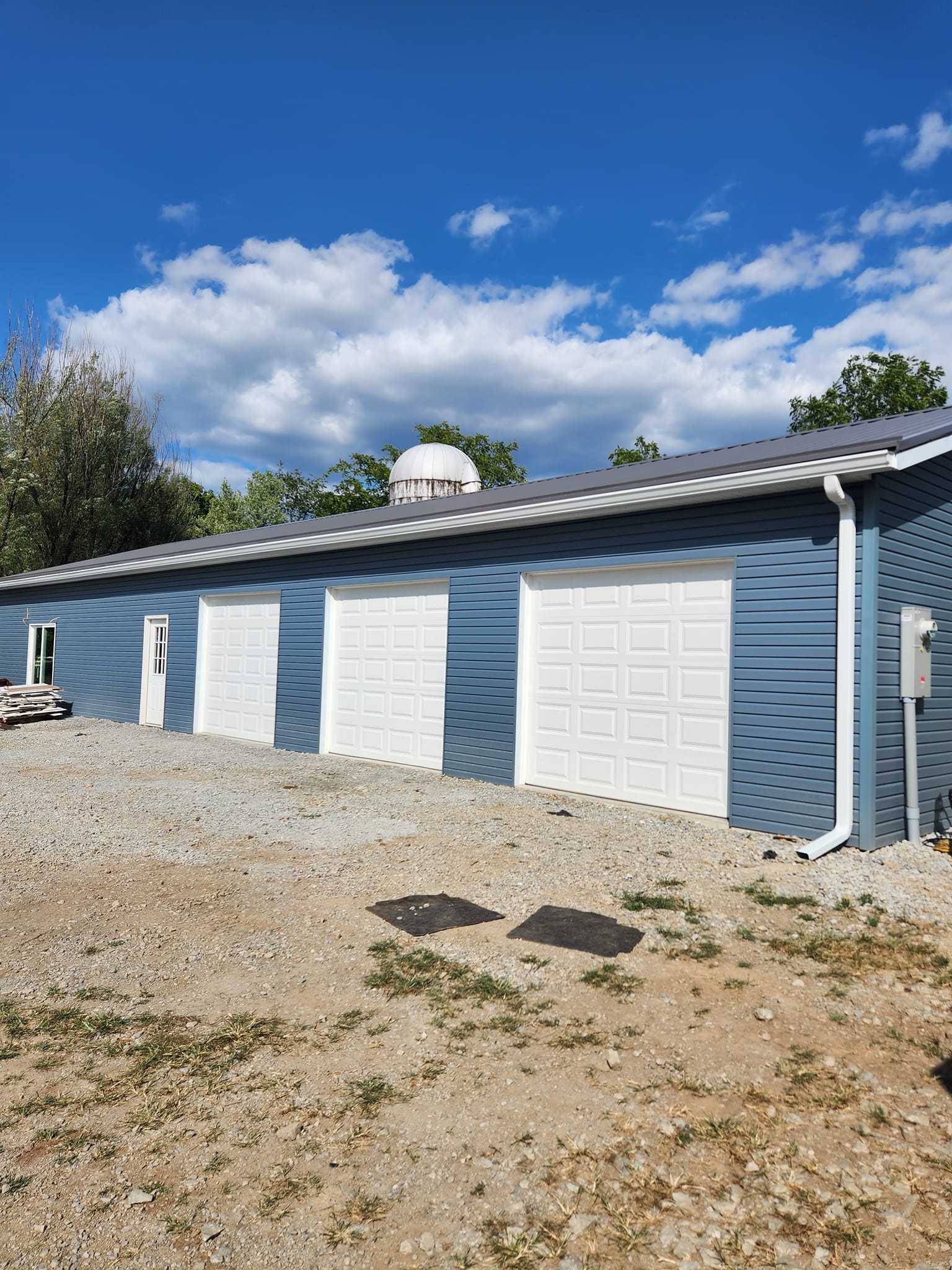
First and foremost, the choice of roofing material plays a pivotal role in energy efficiency. Traditional dark asphalt shingles, while popular, tend to absorb a significant amount of heat, which can increase cooling costs during the summer months. Instead, opt for reflective roofing materials, such as metal roofing or lighter-colored shingles, which can reduce heat absorption and keep your home cooler. These materials not only enhance energy efficiency but also contribute to the longevity of your roof, making it a sustainable choice in the long run.
Another key factor is insulation. A well-insulated roof prevents unwanted heat exchange between your home and the external environment. This means your home stays warmer in the winter and cooler in the summer, allowing your heating and cooling systems to work more efficiently. At Top Hand Roofing and Gutter, we emphasize the importance of properly insulating your attic and roof space. An often-overlooked practice is sealing gaps and cracks in your roof, which can prevent air leaks and enhance insulation effectiveness.
Ventilation is another critical component. A well-ventilated attic prolongs the life of your roof while enhancing its energy efficiency. Proper attic ventilation prevents heat buildup, which can otherwise lead to increased cooling costs and potential roofing issues such as ice dams. Installing ridge vents or attic fans can significantly improve air circulation, maintaining a balanced temperature throughout your home and reducing the strain on your HVAC system.
Additionally, the design and maintenance of your gutter system directly impact energy efficiency. Properly designed gutters ensure effective drainage, preventing water accumulation that can damage your roof and home structure. This water damage can lead to costly repairs and reduced energy efficiency. Regular maintenance, such as clearing gutters of debris, ensures that the system functions properly year-round. Moreover, consider installing rain barrels to collect rainwater, which can be used for irrigation, reducing water usage and lowering your overall environmental impact.
Incorporating these strategic design elements in your roofing and gutter systems can result in substantial energy savings. At Top Hand Roofing and Gutter, we recommend coupling these efforts with a holistic approach to energy efficiency, such as investing in energy-efficient windows and doors, and considering solar panel installations if feasible.
In conclusion, optimizing your home’s energy efficiency requires a comprehensive approach, with strategic roofing and gutter design playing a significant role. Choosing the right materials, enhancing insulation, ensuring proper ventilation, and maintaining gutters are all vital steps towards sustainable and cost-effective living. With these measures in place, you not only contribute to environmental conservation but also enjoy a more comfortable and cost-efficient home. For all your roofing and gutter needs, look no further than Top Hand Roofing and Gutter—your trusted partner in building a sustainable future.
/filters:no_upscale()/filters:format(webp)/media/2f17901c-8c6d-486b-b4db-bcaadc6bd73c.jpg)
/filters:no_upscale()/filters:format(webp)/media/c0d33da9-48ac-45e7-aded-b7f58ac753a5.jpg)